
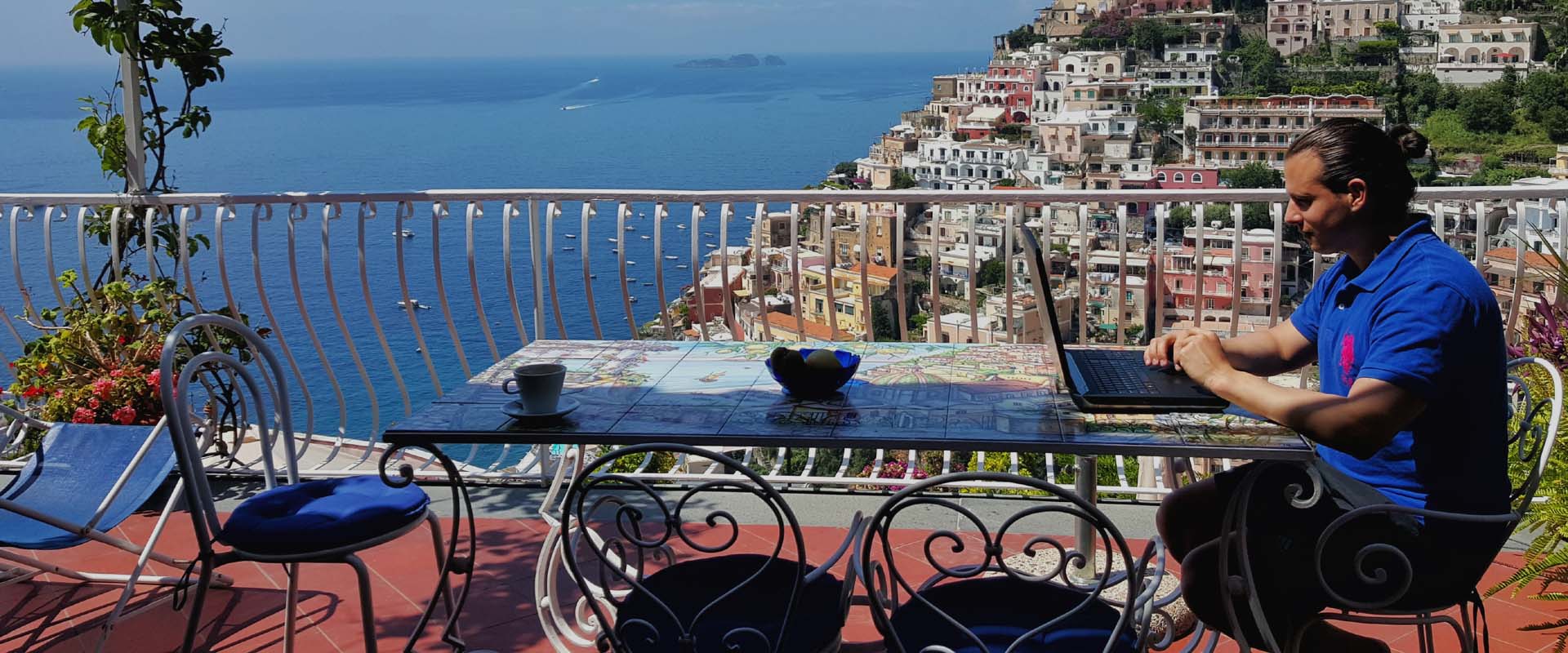
It’s easy to see the appeal of being able to trade from anywhere in the world, with a laptop, a decent wifi connection, and a view most people only get on holiday. This is exactly what attracts so many traders to this kind of lifestyle in the first place. The thrill of a new place and the flexibility of remote employment rarely leave much time to think about something as unsexy as eye strain. Little consideration goes into what this lifestyle actually does to our eyes over time. Here’s a look at why this specific combination is tougher on the eyes. Very little thought goes into what this lifestyle actually does to the eyes over time, since the excitement of a new location and the freedom of working remotely rarely leaves much room for thinking about something as unglamorous as eye strain. Here is a look at why this specific combination is harder on the eyes than either trading or traveling alone.
Why Trading and Travel Together Is a Tough Combination for Your Eyes
Inconsistent Workspaces
Instead of a proper, fixed setup, it’s working from cafes, hotel rooms and balconies, which means the eyes rarely enjoy the benefit of a consistent, well-configured environment day after day. The constant need for adjusting to new lighting and screen positions adds a strain that a stable office would never impose, as the eyes have to readjust to different conditions almost every day, rather than settle into one familiar, well-optimized setup.
A trader working from a home office at least benefits from a setup configured once and left in place, while someone constantly moving between locations effectively starts from scratch with every new spot, whether that’s a beachfront cafe or a cramped hotel desk.
Bright Outdoor Light and Screen Glare
Working outside or near windows for the view often comes at the cost of glare on the screen, a trade-off many travelling traders accept without realising the toll it takes over time. This forces the eyes to work harder just to see the screen clearly, compensating for glare that a properly positioned indoor office setup would never introduce in the first place.
The appeal of trading with a stunning view in the background is obvious, but the practical cost of that view, glare, brightness, and constant squinting, rarely gets weighed against the aesthetic benefit it provides for a photo or a moment of enjoyment.
Long Hours to Cover Different Market Time Zones
Trading sessions that stretch across odd hours to catch key market moves add another layer of screen demand on top of an already packed travel schedule full of its own commitments. This often means screen time layered on top of an already demanding travel schedule, leaving very little genuine downtime for the eyes across a typical day spent juggling both trading and travel simultaneously.
A trader following markets across multiple time zones while also trying to experience a new destination often ends up with screen time stretched across far more hours in a day than a typical office-based role would ever demand.
The Habits That Make It Worse
Skipping Breaks to Not Miss a Market Move
Staying locked to the screen through volatile periods, with no natural pause, gives the eyes little chance to recover during exactly the moments trading demands the most focus and attention. This habit, common among traders generally, gets worse without an office routine to interrupt it, since there’s no colleague walking past or scheduled meeting to naturally prompt a break the way a more structured workplace might.
Without these built-in interruptions, a trading session can stretch on for hours with barely a pause, particularly during a genuinely volatile stretch of the market that feels too important to step away from even briefly.
Poor Posture From Working in Non-Desk Setups
Hunched over a laptop on a bed, sofa, or low table is a common feature of working from unconventional locations while travelling, rarely offering the same ergonomic support a proper desk setup would provide. This adds physical strain that compounds the visual strain already at play, since poor posture affects the whole body’s comfort, not just the eyes specifically, creating a combined discomfort that’s harder to isolate and address.
A body twisted awkwardly to accommodate wherever a laptop happens to be balanced tends to make screen-related eye strain feel considerably worse than it would with proper posture and positioning in place.
Jet Lag and Disrupted Sleep
Tired eyes get made worse by irregular sleep from frequent travel, compounding an already demanding screen-heavy routine with an added layer of general fatigue. This combination leaves less natural recovery time for the eyes, since sleep itself plays a real role in how well the eyes recover from a demanding day of close, sustained focus.
A trader dealing with jet lag on top of a full trading day rarely gives their eyes the kind of proper rest needed to recover fully before the next demanding session begins.
The Signs Travelling Traders Often Ignore
The Obvious Symptoms
Headaches, blurred vision, and red eyes after a long trading session get dismissed as just part of the lifestyle rather than something worth addressing directly or mentioning to anyone. These symptoms show up predictably after a demanding session, yet rarely prompt any real change in habits given how normalised they’ve become within a lifestyle that treats discomfort as simply part of the trade-off for freedom and flexibility.
This normalisation tends to mask a genuine, addressable problem, treating something that could be improved as simply an unavoidable cost of the lifestyle chosen.
The Subtler Signs
Dry, gritty eyes from reduced blinking during focused screen time often go unnoticed until they become a regular occurrence rather than an occasional annoyance that quickly fades. Difficulty refocusing after a long stretch of chart-watching is another subtle sign that tends to pass without much thought, since it usually resolves within a few minutes and rarely feels significant enough to investigate.
These subtler signs tend to compound quietly over weeks and months of travel, gradually becoming an accepted part of daily life rather than a signal that something could genuinely be improved.
What Actually Helps
Building a Semi-Consistent Setup Wherever You Go
Small habits like positioning a laptop the same way regardless of location help create a bit of predictability for the eyes even without a permanent desk to rely on. Some consistency helps even without a permanent desk, giving the eyes at least one familiar element to rely on across constantly changing environments that otherwise offer very little continuity.
Carrying a small, portable laptop stand or a compact external setup, kept consistent across every location, tends to remove a surprising amount of the variability that otherwise adds to daily strain.
Managing Glare and Natural Light
Simple adjustments like angling away from windows or using a laptop shade reduce the strain glare adds on top of the screen’s own brightness throughout a working session. This matters more for anyone working outdoors or near bright windows regularly, given how common this setup becomes for anyone chasing a nice view while working from a new destination.
A few minutes spent finding a properly angled spot, rather than simply sitting wherever looks most appealing for the view, tends to make a considerable difference to how comfortable an entire trading session actually feels.
The 20-20-20 Rule for Long Trading Sessions
Looking at something 20 feet away for 20 seconds every 20 minutes gives the eyes a genuine break from close, fixed focus during a demanding trading session. This fits even into an irregular, travel-based schedule, since it requires no special equipment and barely interrupts whatever else is going on at the time, wherever that time happens to be spent.
Building this habit into a trading routine, regardless of location, tends to hold up considerably better over time than habits that depend on a fixed environment to actually function.
Getting the Right Vision Correction for Travel
Comfortable glasses or cheap contact lenses offer a practical option for a mobile lifestyle, particularly for anyone tired of packing, protecting, or worrying about glasses across multiple destinations and constantly changing conditions. Not having to pack, protect, or worry about glasses matters more when constantly on the move, removing one more item that could get lost, damaged, or left behind during frequent travel between locations.
For a lifestyle already involving enough unpredictability, removing glasses from the list of things that could go wrong tends to offer a genuine, practical benefit beyond simple eye comfort alone.
Building an Eye-Friendly Routine Around Travel
Anchoring the Day With One Consistent Habit
Picking one small habit, such as a screen break at a set time or a consistent wind-down before bed, gives the day some structure even when the location and schedule around it keep changing. This kind of anchor helps signal to the body and eyes that some parts of the day remain predictable, even when almost everything else about the routine doesn’t.
Adjusting Expectations Realistically
Expecting a fully consistent routine while living a genuinely mobile lifestyle tends to set traders up for frustration rather than progress. Aiming for a handful of habits followed most of the time, rather than a perfect routine followed every single day, tends to be far more sustainable across months of constant travel.
The Mental Side of Screen Fatigue on the Road
Decision Fatigue From Constant Adaptation
Adjusting to a new environment, time zone, and market condition repeatedly throughout a trading and travel lifestyle adds a mental load that compounds physical eye strain in ways that are easy to overlook. This mental fatigue often shows up alongside the physical symptoms of eye strain, making it harder to distinguish between the two and address either one properly.
Why Rest Away From Screens Matters More Than It Seems
Genuine downtime away from screens, even briefly, helps both the mind and the eyes recover in a way that simply switching to a different screen or task never quite manages. Building this kind of rest into a trading and travel schedule, rather than treating it as an afterthought, tends to noticeably improve both focus and comfort over time.
Learning From Other Location-Independent Professionals
What Remote Workers in Other Fields Have Learned
Other remote and location-independent professionals, from writers to designers, have faced similar challenges with inconsistent setups and screen-heavy days, and many of the fixes they’ve settled on apply just as well to trading. Borrowing habits already tested by a wider community of remote workers saves time compared to figuring everything out through trial and error alone.
Building a Personal Toolkit Over Time
Most experienced location-independent traders eventually settle on a small, personal toolkit of habits and gear that consistently works for them, refined gradually rather than adopted all at once. Building this toolkit deliberately, rather than leaving it to chance, tends to produce a noticeably more comfortable and sustainable long-term routine.
When to See an Optician While Living This Lifestyle
Signs Worth a Proper Check
Persistent discomfort that doesn’t ease up with simple adjustments is worth a proper check rather than continued guesswork with setup and habits alone, particularly once several of the fixes already mentioned have been tried without much improvement. Vision changes that seem to line up with a heavier trading and travel schedule are also worth mentioning at an appointment, since they can point to a prescription that needs updating rather than simply reflecting the demands of the lifestyle.
Planning Eye Checks Around Travel
Booking a check during a longer stay, rather than letting it slip indefinitely, matters considerably for anyone whose lifestyle doesn’t include a fixed base to rely on for routine care. This matters more for anyone without a fixed base to rely on for routine care, since it’s easy for a check to keep getting pushed back without a regular home routine prompting it the way a more settled lifestyle naturally would.
Treating an eye test as something to actively schedule during a longer stopover, rather than something that only happens if circumstances happen to align, tends to keep this habit from slipping through the cracks entirely.
The Bottom Line
The freedom of trading while travelling comes with a real physical cost most people don’t think about until it’s already causing discomfort that’s hard to ignore, quietly building up across weeks and months of a lifestyle that rarely offers the same routine and structure a fixed workplace would. A short break every twenty minutes, a properly angled workspace regardless of location, and vision correction that genuinely suits a mobile, screen-heavy routine all work together far more effectively than any single fix attempted on its own. None of this requires giving up the freedom that makes this lifestyle appealing in the first place, whether that means the flexibility to work from a new city each month or the ability to chase markets across different time zones without being tied to a single desk.
It simply requires a bit more awareness of how these small, repeated moments of strain add up across a demanding schedule that rarely allows the eyes much genuine rest between sessions. A regular eye test, booked deliberately during a longer stay rather than left to chance, remains one of the most reliable ways to stay ahead of any changes before they start affecting focus and decision-making during exactly the moments trading performance depends on most. Protecting your eyes across a lifestyle built around constant movement comes down to consistency far more than any single fix, and the earlier these habits become part of a normal routine, wherever that routine happens to be based on any given day, the less catching up there is to do once the effects of unaddressed strain finally start to show.
